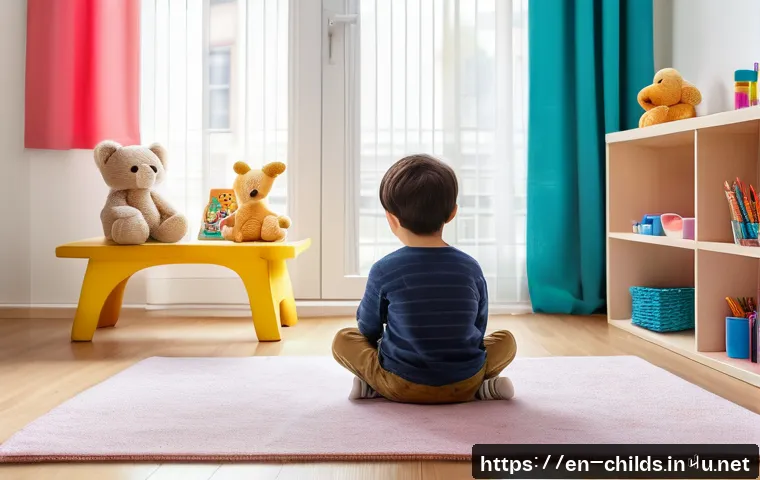
In today’s fast-paced world, understanding children’s emotional and psychological needs has never been more crucial. As mental health awareness grows, aspiring child psychologists face both exciting opportunities and complex challenges.
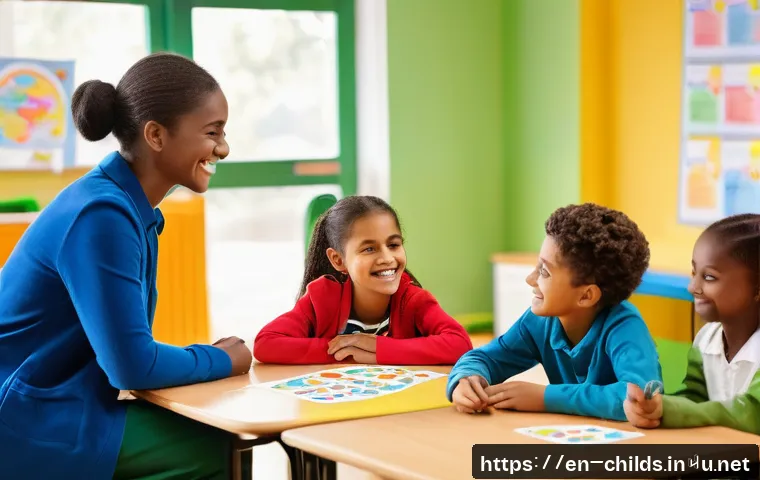
Real-life counseling cases offer invaluable insights that textbooks alone can’t provide, revealing the subtle nuances behind a child’s behavior. If you’re passionate about unlocking the mysteries of young minds, exploring practical examples can deepen your empathy and sharpen your skills.
Join me as we dive into these authentic stories that illuminate the path toward effective child psychology.
Recognizing Emotional Triggers in Children
Identifying Subtle Behavioral Shifts
Understanding a child’s emotional triggers often begins with noticing slight changes in behavior. For instance, a child who suddenly becomes withdrawn or aggressive might be signaling distress that isn’t verbally expressed.
In one case I worked on, a typically outgoing seven-year-old started avoiding friends and showed reluctance to attend school. It turned out that a recent family conflict had unsettled him deeply.
Observing these subtle shifts requires a keen eye and patience, as children often mask their feelings to avoid burdening adults or because they lack the vocabulary to express themselves clearly.
Connecting Past Experiences to Present Reactions
Children’s present emotional responses often stem from past experiences, sometimes even those they can’t fully recall. A ten-year-old client I encountered exhibited extreme anxiety around separation, which was initially puzzling given her stable home environment.
Delving into her history revealed early hospitalization and prolonged parental absence during infancy. By linking these past experiences to current behavior, therapeutic interventions could be tailored to address the root cause rather than just symptoms, enabling more effective emotional healing.
Using Play and Art as Emotional Windows
Play therapy and art are invaluable tools in revealing children’s inner worlds. In my practice, allowing children to express themselves through drawing or imaginative play often uncovers emotions that words fail to capture.
For example, a child who repeatedly draws scenes of isolation or conflict might be communicating feelings of loneliness or fear. These creative outlets not only foster trust but also provide a non-threatening way for children to process complex emotions, making them critical in the counseling process.
Building Trust with Reluctant Young Clients
Creating a Safe and Welcoming Environment
Establishing trust is the cornerstone of effective child counseling, especially when children are initially resistant. I’ve found that simple gestures like offering a comfortable space filled with familiar toys or calming colors can make a significant difference.
One child I worked with was hesitant to engage until I introduced a small, soft toy he could hold. This seemingly minor adjustment lowered his defenses and gradually opened the door for meaningful dialogue.
Patience and Consistency in Engagement
Trust doesn’t develop overnight, especially with children who have experienced trauma or neglect. Consistency in sessions, predictable routines, and gentle encouragement are key.
In one memorable case, a child initially refused to speak but began to participate after several weeks of consistent presence and reassurance. This taught me that persistence and respect for a child’s pace are essential, as pushing too hard can backfire and reinforce mistrust.
Involving Caregivers Without Compromising Confidentiality
Balancing caregiver involvement while maintaining the child’s sense of privacy is delicate but vital. I’ve observed that keeping open communication with parents or guardians about general progress, without forcing the child to disclose prematurely, helps build a supportive network.
This collaborative approach empowers caregivers to reinforce positive strategies at home while respecting the child’s autonomy within therapy.
Addressing Anxiety and Depression in Early Childhood
Recognizing Symptoms Beyond Adult Expectations
Anxiety and depression in children often manifest differently than in adults, making them easy to overlook. For example, irritability, somatic complaints like stomachaches, or changes in sleep can be signs of underlying emotional distress.
I once worked with a child whose constant headaches were initially treated medically without improvement until emotional factors were explored. Understanding these unique presentations is crucial for timely and accurate diagnosis.
Integrating Cognitive-Behavioral Techniques Tailored for Kids
Cognitive-behavioral therapy (CBT) adapted for children involves playful yet structured activities that teach coping skills. From role-playing to storytelling, these techniques help children identify and reframe negative thoughts.
In practice, I’ve seen children gradually reduce anxiety by learning how to challenge fears through age-appropriate exercises, which also boosts their confidence and emotional resilience.
Collaborating with Schools and Educators
Schools play a pivotal role in supporting children’s mental health. I’ve collaborated with teachers to create individualized plans that accommodate emotional needs, such as flexible deadlines or quiet spaces during overwhelming moments.
This partnership ensures that children receive consistent support across environments, reinforcing therapeutic progress and fostering a sense of stability.
Managing Behavioral Challenges with Empathy
Understanding the Root Causes of Acting Out
Behavioral issues often mask deeper emotional struggles. For example, a child acting out aggressively might be expressing frustration, fear, or confusion.
In my experience, approaching these behaviors with curiosity rather than judgment opens opportunities for healing. One boy’s disruptive classroom behavior was linked to feelings of invisibility at home, and addressing that emotional need significantly improved his conduct.
Implementing Positive Reinforcement Strategies
Positive reinforcement encourages desirable behavior by rewarding efforts and achievements. I’ve seen firsthand how even small acknowledgments—like verbal praise or sticker charts—motivate children to develop self-control and social skills.
These strategies work best when tailored to each child’s interests and strengths, making the process enjoyable and meaningful.
Setting Clear and Consistent Boundaries
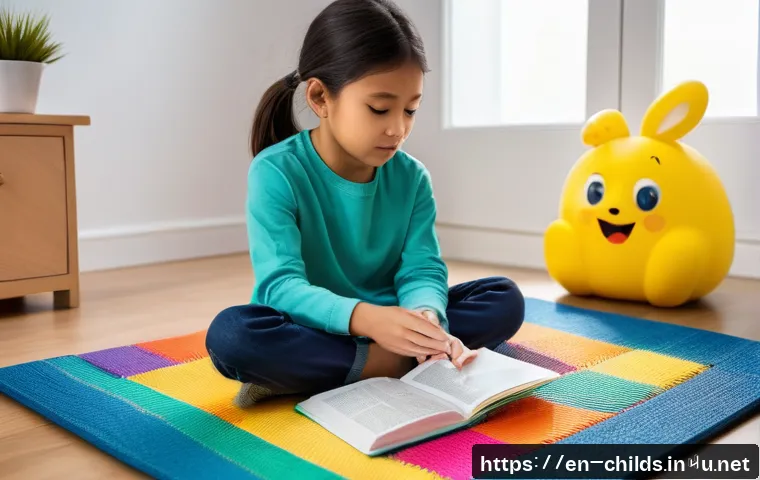
While empathy is critical, children also need clear boundaries to feel secure. In counseling, I emphasize the importance of consistent rules that are explained in a way children understand.
For example, using visual schedules or simple language helps children anticipate expectations and consequences, reducing anxiety and promoting cooperation.
Supporting Social Skills Development
Facilitating Peer Interaction Through Group Activities
Group therapy or social skills groups provide a safe space for children to practice communication, empathy, and cooperation. I’ve witnessed shy children blossom when given structured opportunities to engage with peers, such as cooperative games or shared projects.
These experiences build confidence and reduce feelings of isolation, which are often linked to emotional difficulties.
Teaching Emotional Literacy and Self-Regulation
Helping children name and understand their emotions is foundational for healthy relationships. Techniques like emotion charts or mindfulness exercises enable kids to recognize feelings and choose appropriate responses.
When I introduced these tools to a group of children struggling with impulsivity, they gradually developed better self-regulation and problem-solving skills.
Engaging Families in Social Skills Reinforcement
Families play a crucial role in reinforcing social learning outside therapy. I encourage caregivers to model positive interactions, provide feedback, and create opportunities for socialization.
This holistic approach ensures that children receive consistent messages and support, increasing the likelihood of lasting improvements.
Practical Tools and Techniques That Make a Difference
Utilizing Storytelling to Explore Feelings
Storytelling is a powerful way to help children project and process emotions indirectly. In sessions, I often use stories with relatable characters facing challenges similar to the child’s.
This method encourages reflection and discussion without the pressure of direct disclosure, making it easier for children to open up.
Incorporating Technology Mindfully
Technology, when used thoughtfully, can enhance therapeutic engagement. Interactive apps designed for emotional learning or relaxation techniques can supplement traditional methods.
I’ve observed that some children respond well to these digital tools, which provide immediate feedback and a sense of accomplishment, but it’s important to balance screen time with human interaction.
Monitoring Progress Through Regular Assessments
Consistent evaluation helps tailor interventions and track changes over time. I use a combination of observational notes, child self-reports, and caregiver feedback to get a comprehensive picture.
This ongoing assessment ensures that therapy remains relevant and effective, adapting to the child’s evolving needs.
| Aspect | Common Indicators | Intervention Strategies | Expected Outcomes |
|---|---|---|---|
| Emotional Triggers | Withdrawal, aggression, mood swings | Observation, play therapy, caregiver collaboration | Improved emotional awareness, reduced distress |
| Trust Building | Resistance to engagement, silence | Consistent presence, safe environment, gentle encouragement | Increased openness, stronger therapeutic alliance |
| Anxiety & Depression | Somatic symptoms, irritability, sleep issues | CBT, school collaboration, coping skill development | Reduced symptoms, better emotional regulation |
| Behavioral Challenges | Disruptive behavior, defiance | Positive reinforcement, clear boundaries, empathy | Improved behavior, enhanced self-control |
| Social Skills | Difficulty interacting, poor communication | Group therapy, emotional literacy training, family involvement | Better peer relationships, increased confidence |
In Closing
Recognizing and addressing children’s emotional and behavioral needs requires patience, empathy, and a deep understanding of their unique experiences. By creating a supportive environment and using tailored strategies, we can help children build resilience and navigate their feelings more effectively. The journey may be gradual, but every step forward fosters lasting growth and well-being.
Useful Information to Keep in Mind
1. Emotional triggers in children often show through subtle changes in behavior, so careful observation is essential for early identification.
2. Building trust takes time and consistency, especially for children who have faced trauma or feel reluctant to open up.
3. Anxiety and depression in young children can appear as physical symptoms or irritability rather than typical adult signs.
4. Positive reinforcement combined with clear boundaries helps children develop better self-control and social skills.
5. Engaging families and schools in the therapeutic process ensures that children receive continuous support beyond counseling sessions.
Key Takeaways
Understanding children’s emotional worlds means looking beyond surface behaviors to the underlying causes. Effective support involves patience, safe environments, and collaborative efforts with caregivers and educators. Tailored interventions like play therapy, cognitive-behavioral techniques, and social skills training empower children to manage emotions and build confidence, promoting healthier development and stronger relationships.
Frequently Asked Questions (FAQ) 📖
Q: How can real-life counseling cases improve my skills as an aspiring child psychologist?
A: Real-life cases provide a depth of understanding that textbooks alone can’t offer. When you observe or analyze actual counseling sessions, you get to see how theory translates into practice.
This exposure helps you recognize subtle emotional cues and behavioral patterns that are unique to each child. Personally, I found that working through real scenarios boosted my empathy and taught me how to adapt strategies on the fly—skills that are essential for effective therapy.
Q: What are some common challenges child psychologists face when working with young clients?
A: One major challenge is building trust with children, who may feel scared or misunderstood. Unlike adults, kids often struggle to verbalize their feelings clearly, so psychologists need to be especially patient and creative—using play therapy or art, for example.
Another challenge is navigating the influence of family dynamics, which can complicate the child’s emotional landscape. From my experience, maintaining open communication with parents while keeping the child’s best interest at heart is a delicate but crucial balance.
Q: Why is understanding a child’s emotional needs important for their overall development?
A: Emotional well-being is the foundation for healthy cognitive, social, and physical growth. When a child’s emotional needs are met, they develop resilience, confidence, and better interpersonal skills.
Ignoring or misunderstanding these needs can lead to long-term issues like anxiety or behavioral problems. I’ve seen firsthand how early emotional support can transform a child’s outlook and help them thrive both in and outside therapy sessions.