Imagine a world where children’s emotional well-being is nurtured through the powerful combination of insightful counseling and the playful magic of therapy.
As a therapist, I’ve seen firsthand how integrating these two approaches can unlock a child’s inner world, helping them navigate challenges and build resilience.
The synergy isn’t just theoretical; it’s a practical bridge connecting understanding with expression, and I believe it is becoming increasingly vital in our fast-paced, emotionally complex world.
The future of child therapy lies in holistic methods like this, addressing both the mind and the spirit of the child. Let’s delve deeper into the details in the following article.
## The Art of Attuned Communication: Creating a Safe SpaceIn my experience, one of the most profound shifts I’ve witnessed in child therapy comes from creating a truly safe space.
It’s not just about having colorful toys or a comfortable couch; it’s about the therapist’s ability to communicate genuine acceptance and understanding.
I recall a particularly withdrawn 7-year-old, Liam, who barely spoke above a whisper. Initially, he would only draw pictures of stormy skies and isolated figures.
Unveiling Emotions Through Play

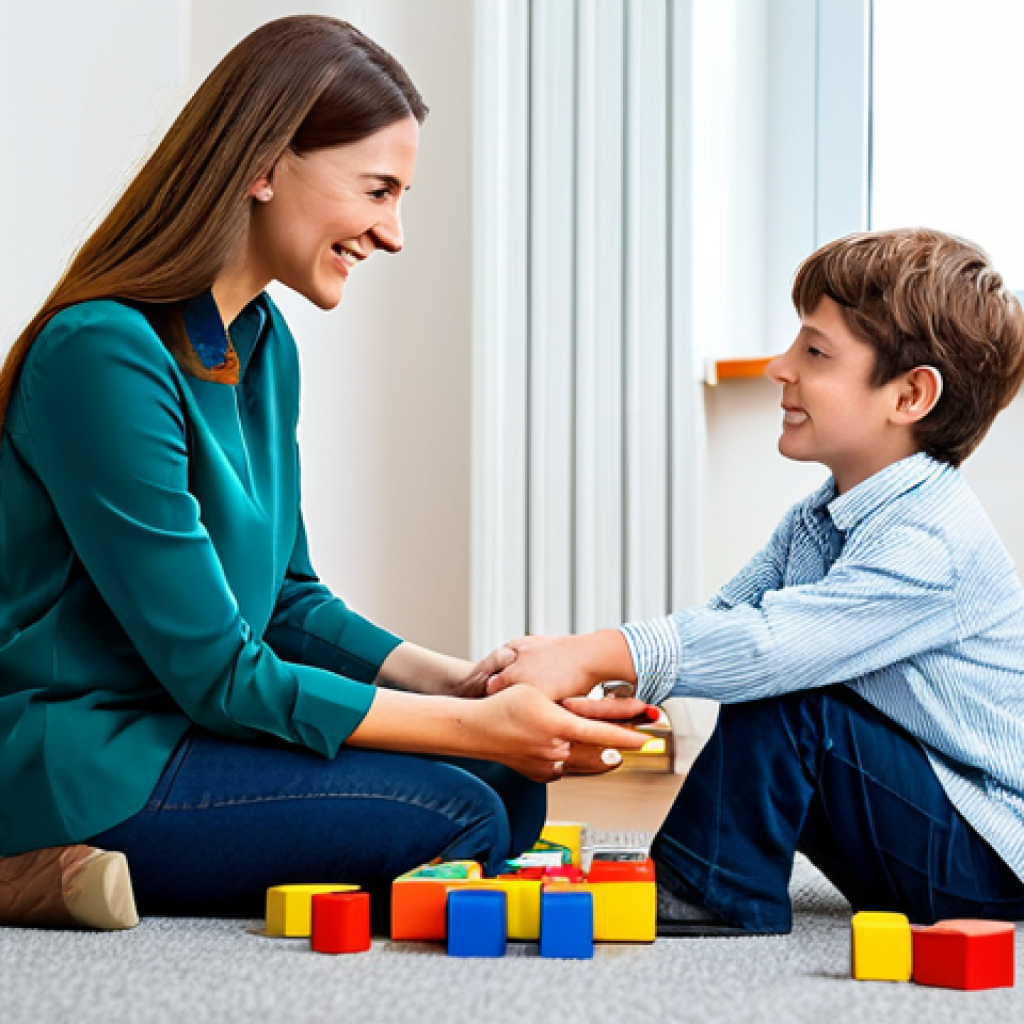
* By joining him in his play, mirroring his emotions, and offering gentle, non-judgmental reflections, Liam slowly began to open up. One day, while playing with building blocks, he constructed a tall tower, then deliberately knocked it down, exclaiming, “That’s what it feels like when my parents argue!” It was a breakthrough moment, allowing him to express his feelings indirectly and feel understood in a way he couldn’t articulate verbally.
This highlights the power of play as a language for children, especially when coupled with a therapist’s attuned communication.
Validating Feelings and Experiences
* Validating their emotions is crucial. When a child expresses anger, for instance, instead of dismissing it (“Don’t be angry, it’s not a big deal”), acknowledging their feelings (“It sounds like you’re feeling really frustrated right now”) can be incredibly powerful.
This helps them feel heard and understood, building trust and encouraging them to explore their emotions further. I remember a session with Maya, a young girl struggling with anxiety about starting a new school.
By acknowledging her fears and helping her identify specific anxieties, we were able to develop coping strategies together, turning a daunting prospect into a manageable challenge.
Navigating Complex Family Dynamics
Children rarely exist in a vacuum; their emotional well-being is often intertwined with family dynamics. A skilled therapist can navigate these complexities by understanding the family system and working collaboratively with parents or caregivers.
Parent-Child Relationship Therapy
* I’ve found that involving parents in the therapeutic process can yield significant results. Parent-Child Interaction Therapy (PCIT) is one such method, focusing on enhancing the quality of the parent-child relationship and teaching specific parenting skills.
I had a case with a single mom and her five-year-old son. The son was acting out aggressively because his mom wasn’t giving him the attention he wanted.
We role-played different interaction methods and found ways to engage with him more positively. Over time, the child’s behavior improved dramatically, and the mother-son bond was strengthened.
Addressing Parental Stress and Support
* Often, parental stress can inadvertently impact a child’s emotional state. I remember counseling a family where the father was struggling with job loss, which led to increased tension at home.
The child, sensing the stress, started exhibiting behavioral problems at school. By addressing the father’s stress and providing him with coping mechanisms, we were able to alleviate the pressure on the child.
The Power of Creative Expression
Children often have difficulty verbalizing their emotions, but they can express themselves beautifully through creative outlets like art, music, and storytelling.
Art Therapy as a Tool for Emotional Release
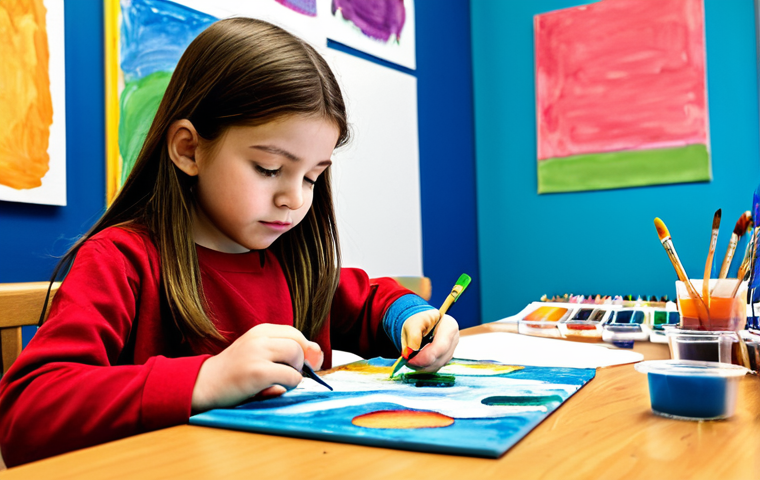
* Art therapy can be incredibly powerful for children who struggle with verbal expression. I’ve seen firsthand how painting, drawing, or sculpting can provide a safe and non-threatening way for them to process their emotions.
For instance, I worked with a young boy who had witnessed a traumatic event. He couldn’t talk about it directly, but through his drawings, he was able to express his feelings of fear, anger, and sadness.
We created a space where his feelings were seen. The art wasn’t interpreted, rather it was just allowed to exist.
Music and Movement for Emotional Regulation
* Music and movement can also be valuable tools for emotional regulation. I recall working with a group of children who were struggling with anxiety.
By engaging them in activities like drumming, dancing, and singing, we were able to help them release pent-up energy and promote a sense of calm. Music, in particular, can be a powerful way to connect with emotions and foster a sense of community.
Fostering Resilience and Coping Skills
Ultimately, the goal of therapy is to equip children with the resilience and coping skills they need to navigate life’s challenges.
Teaching Problem-Solving Strategies
* An important aspect of building resilience is teaching children problem-solving strategies. I often use role-playing scenarios to help them practice identifying problems, generating solutions, and evaluating the consequences of their actions.
I had a young client who would always punch others when they hurt his feelings. I had him name his anger. Then we created a system where he would tell the other person he needed a break.
Then he would walk away and do something fun until he cooled off.
Promoting Self-Esteem and Positive Self-Talk
* Promoting self-esteem and positive self-talk is also crucial. Encouraging children to focus on their strengths, celebrate their accomplishments, and practice self-compassion can help them develop a more positive sense of self.
I remember working with a girl who constantly put herself down. By helping her identify her positive qualities and challenge her negative thoughts, we were able to boost her self-esteem and encourage her to take risks.
The Importance of Collaboration with Schools
Children spend a significant portion of their time in school, making collaboration with teachers and school counselors essential for holistic support.
Psychoeducation in the Classroom
* When possible, I like to conduct psychoeducation lessons in classrooms. Having a therapist at a school can help destigmatize therapy and make kids more receptive to the idea of seeking out support when they need it.
I was able to implement a lesson where I went to an elementary school and helped the kids practice breathing exercises. A week later, the teacher told me that she caught some of her students utilizing the method when they became overwhelmed.
The Ethical Considerations in Child Therapy
Working with children requires a strong ethical framework that prioritizes their well-being and respects their rights.
Confidentiality and Consent
* Confidentiality is paramount. Children need to know that what they share in therapy will be kept private, with certain exceptions (e.g., risk of harm to self or others).
Consent is also an important consideration. Depending on the child’s age and maturity, they may need to provide informed consent for therapy.
Measuring Progress and Outcomes
It’s essential to track progress and outcomes to ensure that therapy is effective and meeting the child’s needs.
Standardized Assessments and Regular Check-Ins
* We use standardized assessments and regular check-ins with the child, parents, and teachers to gauge progress and identify areas where adjustments may be needed.
When progress is measurable, it is easier for families to decide whether to continue counseling.
Summary of Methods
Here is a summary of the above methods:
| Method | Description | Benefits |
|---|---|---|
| Attuned Communication | Creating a safe space through empathy and validation. | Builds trust, encourages emotional expression. |
| Family Therapy | Involving parents and caregivers in the therapeutic process. | Addresses family dynamics, enhances support. |
| Creative Expression | Using art, music, and storytelling as therapeutic tools. | Provides non-verbal outlets for emotional release. |
| Resilience Building | Teaching problem-solving, self-esteem, and coping skills. | Equips children to navigate challenges. |
| School Collaboration | Working with teachers and counselors for holistic support. | Ensures consistent support across environments. |
The journey of child therapy is a testament to the resilience and potential within every child. By fostering attuned communication, embracing creative expression, and navigating family dynamics with sensitivity, we can empower children to thrive emotionally and build a brighter future for themselves.
It’s about creating a world where every child feels seen, heard, and valued.
Closing Thoughts
As we wrap up, remember that creating a safe and supportive environment is key to helping children express and process their emotions. Therapy is not just about addressing problems; it’s about building resilience, fostering self-esteem, and equipping children with the tools they need to navigate life’s challenges. It’s a journey of growth, understanding, and connection.
Useful Information
1. Child Mind Institute: A great resource for understanding child mental health and finding local support.
2. American Psychological Association (APA): Offers guidelines for finding qualified child therapists and understanding different therapeutic approaches.
3. Local School Counselors: A valuable resource for identifying early intervention programs and support services in your community.
4. Books on Child Psychology: “The Whole-Brain Child” by Daniel Siegel and Tina Payne Bryson provides insights into child development and emotional regulation.
5. Parenting Support Groups: Connecting with other parents can offer valuable insights and support in navigating the challenges of raising children.
Key Takeaways
Attuned Communication: Prioritize empathy and validation to create a safe space for emotional expression.
Family Involvement: Engage parents and caregivers in the therapeutic process for comprehensive support.
Creative Outlets: Encourage art, music, and storytelling as tools for emotional release and regulation.
Resilience Building: Teach problem-solving skills, self-esteem, and positive self-talk to equip children for future challenges.
School Collaboration: Work with teachers and school counselors to ensure consistent support across environments.
Frequently Asked Questions (FAQ) 📖
Q: How does integrating counseling with play therapy benefit children specifically?
A: From my experience, combining talk-based counseling with play therapy is like offering a child a toolbox filled with different ways to express themselves.
Counseling provides a safe space for them to verbalize their feelings and understand their thoughts, while play therapy allows them to communicate non-verbally, using toys and games to work through emotions they might not have the words for yet.
I remember one little guy, Mark, who was struggling with his parents’ divorce. He clammed up during regular counseling, but when we introduced play therapy, he used building blocks to create two separate houses and then dramatically knocked them down.
It was a powerful way for him to show, rather than tell, his feelings of disruption and loss. This dual approach can be incredibly effective, especially for younger kids or those who struggle with verbal communication.
Q: Are there specific situations or challenges where this integrated approach is particularly useful?
A: Absolutely! I’ve found that integrated counseling and play therapy really shines when working with children who’ve experienced trauma, grief, or significant life changes.
Think about kids dealing with bullying, anxiety, or even just adjusting to a new school. For example, I worked with a young girl named Sarah who was having severe anxiety after witnessing a car accident.
Traditional counseling wasn’t helping her process the event, but through play therapy, she was able to recreate the scene with toy cars and express her fears and anxieties in a safe, controlled environment.
The counseling component then helped her to understand her feelings and develop coping mechanisms. It’s also great for kids with behavioral issues, as it allows them to explore the underlying emotions driving those behaviors.
Q: What are some practical tips for parents or caregivers who want to support this type of therapy at home?
A: The best thing you can do as a parent is to create a supportive and accepting environment where your child feels safe expressing themselves, whether it’s through words or play.
Try setting aside dedicated “playtime” where you simply observe and follow your child’s lead, without judgment or interruption (unless they ask for help).
You can also encourage creative expression by providing them with art supplies, building materials, or even just a box of old clothes for dress-up. And most importantly, listen actively when they do choose to talk.
Show them you’re truly hearing what they’re saying, even if it’s conveyed through a game of pretend. Validating their feelings and experiences is key.
One thing I always tell parents is, “Don’t try to fix their problems during play, just be present and supportive.” That’s often enough to make a big difference.
📚 References
Wikipedia Encyclopedia