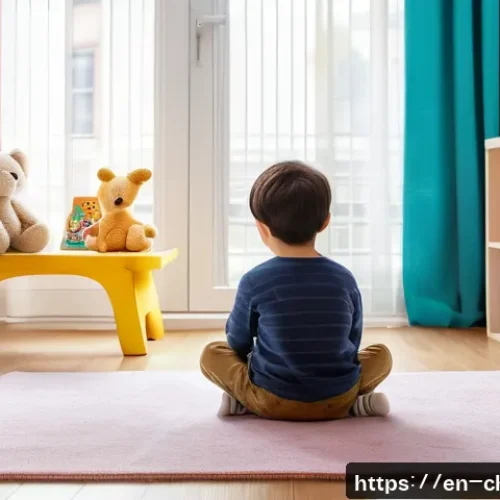
Oh, the whirlwind of raising kids and trying to truly understand their little worlds, right? It’s a journey filled with so much joy, but let’s be honest, sometimes it feels like navigating a maze blindfolded, especially when they’re facing big feelings or struggles that are tough to put into words.

I’ve personally been there, trying to decipher those non-verbal cues and figure out the best way to support a child’s emotional landscape in an ever-changing world.
With all the digital distractions and evolving social dynamics, the tools we use to connect with and counsel children need to be more dynamic and empathetic than ever before.
That’s why I’m so excited to share some of the most effective, real-world strategies I’ve picked up over the years for child psychology counseling. We’re talking about insights that can transform challenging moments into opportunities for growth and deeper connection, helping both children and the adults in their lives feel more understood and equipped.
From building unbreakable trust to navigating tricky behavioral patterns with grace, these aren’t just theories; they’re approaches I’ve seen work wonders.
Let’s get into the practical, heartwarming tips that will truly make a difference in supporting the incredible children around us. Ready to discover exactly how to empower the young minds in your care?
Let’s dive right in and uncover some truly transformative insights!
Building Unbreakable Trust: The Secret Sauce to True Connection
Oh, believe me, I’ve been there, staring into my child’s eyes, desperately wanting to understand what’s going on in their little head, but feeling like I’m hitting a wall. It’s incredibly frustrating when you know they’re struggling, but the words just won’t come out, or worse, they shut down completely. I remember one afternoon, my youngest, Leo, came home from school visibly upset, clutching his backpack tight. My first instinct was to pepper him with questions, “What happened? Who did what? Are you okay?” And, as usual, he just mumbled, “Nothing,” and retreated to his room. It hit me then, for the hundredth time, that simply asking direct questions wasn’t always the key. Building trust, real, deep trust, isn’t about interrogation; it’s about creating a safe harbor where they feel seen, heard, and utterly accepted, no matter what they bring to the table. This isn’t just about making them feel good; it’s the bedrock upon which all effective communication and counseling stands. Without it, you’re essentially trying to build a house on sand.
I’ve learned that trust is painstakingly earned through consistent actions, not just words. It’s in the quiet moments, the shared laughs, and especially in how we respond when they *do* finally open up, even if it’s about something seemingly small. It’s about showing them, through your unwavering presence and empathy, that you’re their safe space, their biggest advocate, and that you’ll approach their feelings with curiosity and kindness, rather than judgment or immediate problem-solving. It’s about being truly present, putting away the phone, and giving them your undivided attention, even if it’s just for a few minutes while they’re telling you about their Roblox game. These small, consistent acts stack up, building an emotional bank account that pays dividends when they face bigger challenges, making them feel secure enough to seek your guidance.
Active Listening: More Than Just Hearing Words
- One of the most transformative shifts I made was truly embracing active listening. It sounds simple, right? Just listen. But it’s so much more than that. It’s about putting aside your own agenda, your own urge to fix things, and really tuning into what they’re trying to communicate, both verbally and non-verbally. When my daughter, Chloe, started telling me about a friendship drama, instead of immediately jumping in with advice, I focused on reflecting her feelings: “It sounds like you’re really hurt by what Sarah said.” This simple act validated her emotions and encouraged her to share more, opening up the conversation rather than shutting it down.
- This means paying attention to their body language, their tone of voice, and the unspoken messages. Often, a child’s tantrum isn’t solely about the toy they dropped; it’s about feeling overwhelmed, unheard, or simply exhausted. By truly listening with your eyes and ears, you can start to connect the dots and understand the underlying need, addressing the root cause rather than just the surface symptom.
Creating a Judgment-Free Zone: Their Safe Haven
- This one can be tough, especially when our kids do things that frustrate or disappoint us. But it’s absolutely crucial. I’ve found that when my kids feel like they’ll be lectured, punished, or even just met with a disappointed sigh, they’ll clam up faster than you can say “cookies.” It’s about communicating, through your actions and your words, that their feelings, good or bad, are acceptable and that you’re there to help them process, not to judge the emotion itself.
- For instance, if my son admits to a mistake, my first response is never anger. Instead, I might say, “Thanks for telling me. That must have been tough. What do you think we can learn from this?” This approach fosters honesty and resilience, making them more likely to come to you when things go wrong, rather than hiding it and potentially escalating the issue. It’s a continuous practice, but the rewards in terms of their openness and trust are immeasurable.
Decoding Their Language: Understanding Non-Verbal Cues and Play
Kids are absolute masters of communication, even before they utter a single clear sentence. The thing is, their language often isn’t verbal. It’s in the way they stomp their feet, the elaborate stories they act out with their dolls, the furious scribbles on a page, or the sudden refusal to make eye contact. As a parent, I’ve often felt like a detective, trying to piece together clues. I vividly recall a period when my usually bubbly niece, Mia, started drawing only dark, stormy pictures, and her play became increasingly aggressive with her action figures. Initially, I just thought it was a phase, but then I started paying closer attention. Her drawings and play were screaming “distress” long before she had the words to tell anyone about the bullying she was experiencing at school. It was a stark reminder that children communicate in a multitude of ways, and it’s our job to learn to read their unique signals.
Understanding these non-verbal cues and the deeper meaning behind a child’s play is like gaining access to a secret decoder ring for their emotional world. Play, especially, isn’t just fun and games for them; it’s their natural language, their way of processing experiences, trying out roles, and expressing feelings that are too complex or frightening to articulate directly. By observing their play without interruption and by engaging with them in their imaginative worlds, we offer them a powerful outlet for self-expression and gain invaluable insights into their inner struggles, hopes, and fears. It’s a privilege to be invited into that space, and it empowers us to address issues from a place of genuine understanding.
Observing Behavioral Shifts: The Silent Alarms
- Minor changes in a child’s behavior can often be the loudest cries for help. Is your usually outgoing child suddenly quiet? Is a tidy child making messes? Are they refusing foods they once loved? These aren’t always just “phases.” When my usually energetic nephew started clinging more and resisted going to daycare, I initially thought he was just testing boundaries. But after observing for a few days, I noticed his sleep was disrupted, and he seemed generally more anxious. It turned out he was struggling with a new transition at daycare, and his clinginess was a silent plea for reassurance.
- Tracking these subtle shifts over time can provide a roadmap to their emotional state. Keeping a simple mental or written log of when certain behaviors appear or intensify can help you identify patterns and potential triggers, giving you a clearer picture of what might be going on beneath the surface.
The Therapeutic Power of Play: Entering Their World
- Play therapy is a recognized field for a reason – it’s incredibly effective. For us as parents or caregivers, simply engaging in child-led play can be immensely therapeutic. If a child repeatedly acts out a specific scenario, like a scary monster chasing a smaller figure, it might be their way of processing a fear or feeling overwhelmed in their own lives. By joining their play, you can sometimes offer a narrative resolution or simply provide a safe space for them to explore those feelings.
- I’ve personally seen how a simple block tower that keeps falling down can represent a child’s frustration with a task, or how a puppet show can reveal anxieties about school. It’s not about analyzing every single action, but rather being present, curious, and open to the stories they’re telling through their imagination. This allows them to express without the pressure of finding the “right” words.
Navigating Big Emotions: Practical Strategies for Emotional Regulation
If there’s one thing every parent knows, it’s that kids have *big* feelings. Like, colossal, earth-shattering feelings that can erupt without warning and leave everyone in their wake feeling overwhelmed. I’ve had my share of moments where I felt completely at a loss, standing in front of a screaming toddler or a sullen teenager, wondering how on earth to calm the storm. My own patience would fray, and sometimes, if I’m honest, I’d just want the meltdown to stop, regardless of what caused it. But I’ve learned, often the hard way, that those moments are not just about managing behavior; they’re critical opportunities to teach emotional regulation, a skill that will serve them for their entire lives. It’s about helping them understand what they’re feeling, why they’re feeling it, and most importantly, what to do with those intense emotions in a healthy, constructive way.
The key, I’ve found, is to approach these emotional explosions not as disciplinary moments, but as coaching opportunities. We can’t expect kids to magically know how to handle anger or sadness or frustration if we don’t explicitly teach them. Think of it like learning to ride a bike – they need guidance, practice, and sometimes, to fall down a few times. My strategy shifted from trying to suppress emotions to helping my kids name them, validate them, and then find healthy outlets. It’s about providing a toolkit of strategies and the safety to try them out. This not only helps them regulate in the moment but also builds their emotional intelligence and resilience for the future. It’s a profound shift that transforms those chaotic outbursts into powerful lessons.
The Art of Naming and Validating Feelings
- Before you can help a child manage an emotion, they need to know what it is. I’ve seen a huge difference simply by labeling what I observe: “It looks like you’re feeling really frustrated that the puzzle isn’t working,” or “I can see you’re angry about what your friend said.” This provides them with a vocabulary for their internal world.
- Validation is equally crucial. It doesn’t mean you agree with their behavior, but you acknowledge their *feeling*. Saying, “It’s okay to feel angry, but it’s not okay to hit,” separates the emotion from the action. This shows empathy and helps them feel understood, which is often the first step towards calming down. “I understand you’re sad about not getting ice cream, and it’s okay to feel sad.”
Developing a “Coping Skills Toolbox”
- Just like adults, children need strategies to cool down. We can help them build a “coping skills toolbox.” This might include deep breathing exercises (like “smell the flower, blow out the candle”), counting to ten, squeezing a stress ball, drawing, listening to music, or taking a short walk.
- I encourage my kids to pick their own tools so they feel a sense of agency. When they start to feel overwhelmed, we can gently prompt, “What’s in your toolbox that might help you right now?” Practicing these skills when they are calm makes it much easier for them to use them when emotions run high. It’s about empowering them with practical, self-soothing techniques.
Setting Healthy Boundaries: Guiding Behavior with Love and Consistency
If there’s one area that often leaves parents feeling utterly drained, it’s the constant dance around boundaries. I know I’ve been there, questioning myself: Am I being too strict? Too lenient? Will saying “no” damage their self-esteem? The truth is, children thrive when they have clear, consistent boundaries, and setting them isn’t about control; it’s about love, safety, and teaching them how to navigate the world. I remember vividly when my son, then five, went through a phase of constantly testing limits – from refusing to clean up toys to arguing about bedtime every single night. It felt like a battle, and honestly, some evenings I just wanted to give in for the sake of peace and quiet. But I quickly realized that giving in wasn’t helping him; it was creating more confusion and escalating his testing behaviors. My experience has shown me that firm, yet loving, boundaries are like guardrails on a road: they provide security and direction, allowing children the freedom to explore within a safe framework.
Establishing healthy boundaries is a cornerstone of effective child counseling, even if it’s just within our own homes. It teaches children respect, self-control, and the understanding that actions have consequences. It’s about communicating expectations clearly and calmly, and then consistently following through. This consistency is where many of us, myself included, sometimes falter. Life gets busy, we get tired, and it’s tempting to let things slide. But it’s in those moments of wavering that we inadvertently send mixed signals. My approach now is to involve my children in the *discussion* about boundaries where appropriate, helping them understand the *why* behind the rules, which fosters cooperation rather than resentment. This collaborative approach doesn’t mean they always get their way, but it does mean they feel heard, making them more likely to internalize and respect the limits we set together.
Communicating Expectations with Clarity and Empathy
- Ambiguous rules are almost guaranteed to lead to frustration for both you and your child. When setting a boundary, be crystal clear about what is expected. Instead of “Be good,” try “We use gentle hands with our friends.” Explain the “why” in age-appropriate terms. For instance, “We clean up our toys so they don’t get broken and so everyone can find what they need.”
- Delivering these expectations with empathy is also key. “I know it’s hard to stop playing your game right now, but it’s time for dinner.” Acknowledging their feelings while still holding the boundary makes them feel understood, reducing resistance.
The Power of Consistent Follow-Through
- This is arguably the hardest part, but the most crucial. If a boundary is set, there must be a consistent consequence if it’s crossed. This doesn’t mean harsh punishment, but a logical outcome. If the rule is “no hitting,” and a child hits, the consequence might be a time-out to calm down and practice gentle hands.
- Inconsistency breeds confusion and encourages children to test boundaries repeatedly. I’ve learned that even when I’m tired or busy, following through, even with a small, natural consequence, reinforces the boundary more effectively than a big, inconsistent reaction. It teaches them reliability and predictability, which helps them feel secure in their environment.
Empowering Resilience: Helping Kids Bounce Back Stronger
Life, as we all know, is full of ups and downs, triumphs and heartbreaks. For kids, these can feel particularly magnified – a lost toy is a catastrophe, a slight from a friend feels like the end of the world. As parents, our instinct is often to shield them from every bump and bruise, to swoop in and fix everything. I remember feeling a pang of agony every time my child stumbled or faced a disappointment. My first impulse was always to make it better, to remove the struggle. But I’ve learned through experience, and a lot of reading, that while our desire to protect is natural, it can inadvertently hinder their ability to develop resilience. The real gift we can give our children isn’t a life free of problems, but the tools and confidence to navigate those problems themselves, to fall down and know, without a shadow of a doubt, that they can get back up.
Empowering resilience in children isn’t about letting them struggle alone; it’s about providing scaffolding and support as they learn to cope, adapt, and grow from challenges. It’s about fostering a “can-do” attitude, celebrating effort over outcome, and teaching them that mistakes are not failures but opportunities for learning. When my daughter didn’t make the school play, she was devastated. My initial thought was to tell her it didn’t matter, but instead, I sat with her sadness, acknowledged her disappointment, and then we talked about what she *could* do next time, or what other opportunities were available. This shift in approach—from fixing to empowering—has been transformative. It instills in them a sense of agency and an understanding that they have the internal resources to handle whatever life throws their way, fostering a robust mental fortitude that will serve them well into adulthood.
Fostering a Growth Mindset: “I Can’t Yet”
- One of the most impactful concepts I’ve embraced is teaching a growth mindset. Instead of saying “I can’t do it,” we encourage the phrase “I can’t do it *yet*.” This small linguistic shift reframes challenges as temporary obstacles that can be overcome with effort and learning, rather than insurmountable walls.
- When my son struggles with a math problem, instead of letting him get frustrated and give up, we focus on the process. “That’s a tough one! What have you tried so far? What’s another way we could think about this?” We celebrate the effort and persistence, not just the correct answer. This teaches them that their abilities can grow through dedication and hard work.
Learning from Setbacks: The Power of Reflection
- Disappointments and mistakes are inevitable. Instead of minimizing them or punishing them, we can turn them into powerful learning experiences. After a setback, whether it’s a poor test grade or a disagreement with a friend, I sit down with my kids and ask, “What happened? How do you feel about it? What could you do differently next time? What did you learn?”
- This reflective process helps them analyze situations, take responsibility where appropriate, and strategize for the future. It teaches them problem-solving skills and the invaluable lesson that every challenge holds a lesson, strengthening their ability to cope with future adversities.
The Power of Play: Therapeutic Approaches Beyond Words
As parents, we often default to verbal communication, especially when trying to understand a child’s struggles. We ask questions, we try to talk through problems, and sometimes we get frustrated when our carefully crafted inquiries are met with shrugs or silence. It’s a natural inclination, given that words are our primary mode of communication as adults. However, I’ve found that for children, especially younger ones or those who are struggling to articulate complex emotions, the most profound insights often come not through direct conversation, but through the universal language of play. It’s a beautiful, intuitive way for them to process their world, explore feelings, and even try out solutions in a safe, imaginative space. I remember when my youngest was going through a period of intense separation anxiety, he would constantly stage elaborate puppet shows where one puppet was always looking for its parent, and then, after much searching, they would have a joyful reunion. It wasn’t until I observed this pattern that I truly grasped the depth of his anxiety and could respond more effectively.
Incorporating therapeutic play doesn’t mean you need to be a trained play therapist; it simply means recognizing and honoring play as a powerful communication tool. By engaging with our children in their play, or simply observing them without interruption, we gain unparalleled access to their inner worlds. We can see their fears, their hopes, their frustrations, and even their attempts at mastering difficult situations. It’s about creating an environment where play is valued as more than just entertainment – it’s a critical avenue for emotional expression and development. This approach allows children to process at their own pace, using metaphors and symbols that feel safe and manageable, ultimately helping them to heal, understand, and grow.

Child-Led Play: Following Their Narrative
- When engaging in therapeutic play, the most important rule is to let the child lead. Resist the urge to direct the play or impose your own ideas. If they want to play superheroes, follow their lead. If they want to build a fort, let them design it. Your role is to be a supportive, curious participant, observing their choices, their characters, and their storylines.
- I’ve discovered that when I simply follow my child’s lead, they feel empowered and are more likely to reveal deeper themes in their play. For example, if they consistently make a doll act angry, I might narrate, “Wow, that doll seems really upset! I wonder what’s making her so mad?” This open-ended commentary validates their play and can sometimes prompt further expression.
Using Creative Expression as a Release
- Play isn’t just about dolls and action figures; it also encompasses various forms of creative expression. Drawing, painting, sculpting with clay, or even simply scribbling can be incredibly cathartic for children. These activities provide a non-verbal outlet for pent-up emotions.
- When my son was feeling overwhelmed by a big move, I gave him a large piece of paper and some colorful paints, with no instructions other than to paint how he felt. The resulting explosion of colors and shapes gave me a vivid snapshot of his internal chaos, and the act of painting itself seemed to bring him a sense of relief and clarity.
Addressing Modern Challenges: Screen Time, Social Media, and Peer Pressure
The landscape of childhood today is dramatically different from what many of us experienced growing up. Our kids are navigating a digital world that’s constantly evolving, presenting a whole new set of psychological challenges. I often find myself wrestling with the complexities of screen time, the pervasive influence of social media, and the ever-present weight of peer pressure, amplified by online interactions. It’s a tricky tightrope walk, trying to keep them safe and healthy without completely isolating them from their peers or the tools of their generation. I’ve personally grappled with the guilt of excessive screen time for my own children, and the constant worry about what they’re exposed to online. It’s not just about setting limits; it’s about understanding the psychological impact of these modern phenomena and teaching our children how to navigate them with discernment, resilience, and a strong sense of self. The old playbooks simply don’t cover these new frontiers, demanding a more nuanced and informed approach from us.
Effective child counseling in today’s world must include a robust strategy for addressing these modern challenges. It’s not enough to ban devices or simply tell them “no”; we need to equip them with the critical thinking skills to evaluate online content, the emotional intelligence to handle cyberbullying and social media pressures, and the self-awareness to manage their own digital habits. I’ve shifted my approach from policing screen time to educating my children about digital citizenship and fostering open dialogue about their online experiences. This means staying informed ourselves, having honest conversations, and acting as their guides in this complex digital landscape. By doing so, we help them develop a healthy relationship with technology and their peers, empowering them to thrive in an increasingly connected world without sacrificing their mental well-being.
Navigating the Digital Landscape: Balanced Screen Time
- Completely demonizing screens often backfires, making them more appealing. Instead, I focus on creating a balanced approach to screen time, treating it like any other activity. We have designated screen-free times (meals, before bed) and discuss quality over quantity. Is the screen time educational, creative, or connecting them with distant relatives? Or is it mindless scrolling?
- I’ve found success with family media plans, involving my children in setting the rules. For instance, we might agree on specific time limits for gaming but allow more flexibility for educational apps or video calls with grandparents. This empowers them to manage their own usage with our guidance.
Fostering Media Literacy and Critical Thinking
- The internet is a vast place, and children need to learn how to discern reliable information from misinformation, and healthy social interactions from harmful ones. This involves actively teaching them media literacy. We discuss what they see online, analyzing ads, influencers, and even news headlines together.
- When they encounter something questionable or upsetting, we use it as a teaching moment: “What do you think is real about this? How does this make you feel? What would you do in this situation?” This helps them develop critical thinking skills essential for online safety and well-being.
Supporting Healthy Peer Relationships in a Digital Age
Peer pressure has always existed, but social media amplifies it, making it 24/7 and often anonymous. It’s vital to talk openly about online friendships, cyberbullying, and the curated realities often presented on social platforms. I make it a point to regularly check in with my kids about their friendships, both online and offline.
Here’s a quick overview of how these modern challenges impact children:
| Challenge | Potential Impact on Children | Parenting/Counseling Tip |
|---|---|---|
| Excessive Screen Time | Sleep disruption, reduced physical activity, attention issues, social isolation. | Establish family media plans, prioritize quality content, create screen-free zones. |
| Social Media Pressure | Anxiety, low self-esteem (due to comparison), cyberbullying, fear of missing out (FOMO). | Foster media literacy, encourage open dialogue about online experiences, teach digital empathy. |
| Cyberbullying | Emotional distress, depression, anxiety, school avoidance, feelings of helplessness. | Teach reporting mechanisms, build open communication lines, role-play responses, ensure a strong support system. |
| Exposure to Inappropriate Content | Trauma, confusion, anxiety, desensitization. | Use parental controls, co-view content, educate on online safety and critical evaluation. |
We work on building their self-esteem and confidence in real-life interactions, so they are less swayed by online validation. Teaching them to identify healthy relationships and advocating for themselves, both online and off, is a continuous process that strengthens their emotional armor against the harsher aspects of the digital world.
A Final Word, From My Heart to Yours
As we wrap up this journey through the beautiful, often messy, and utterly rewarding world of raising children, I hope you feel a little less alone and a lot more equipped. Remember, building an unbreakable bond with our kids isn’t about perfection; it’s about persistent effort, boundless love, and the courage to learn and adapt right alongside them. Every day is a new opportunity to deepen that connection, to listen a little closer, to understand a little more, and to offer that unwavering support they so desperately need. It’s a marathon, not a sprint, and every step, every stumble, and every joyful leap contributes to the incredible story you’re writing together.
Useful Insights for Your Parenting Toolkit
1. Embrace Active Listening: Go beyond just hearing words; truly listen to their non-verbal cues and feelings. Sometimes, silence or a simple reflective statement is more powerful than a thousand questions.
2. Validate Their Emotions: Acknowledge what they’re feeling, even if you don’t agree with their behavior. “It’s okay to feel angry, but it’s not okay to hit,” separates the emotion from the action, teaching them healthier coping.
3. Consistency is King for Boundaries: Clear, consistent boundaries provide a sense of security and teach respect. Children thrive when they know what to expect and what the limits are, even if they test them.
4. Foster a Growth Mindset: Encourage “I can’t do it *yet*” instead of “I can’t do it.” This empowers them to see challenges as opportunities for growth and builds incredible resilience, teaching them the power of perseverance.
5. Engage in Child-Led Play: Step into their imaginative world. Play is their language, their therapy. Observing and participating in their play can offer profound insights into their inner thoughts and feelings that words often can’t express.
Key Takeaways
Ultimately, nurturing our children’s emotional and psychological well-being boils down to creating an environment of trust, understanding, and consistent love. By honing our active listening skills, fostering a judgment-free zone, teaching emotional regulation, setting healthy boundaries, and empowering resilience, we equip them with the essential life skills to navigate an ever-complex world. Remember to stay present, be patient, and embrace both the triumphs and the challenges as opportunities to strengthen your unique bond. These principles are not just techniques; they are the foundation for a truly connected and thriving family.
Frequently Asked Questions (FAQ) 📖
Q: How can I build deep trust with my child, especially if they’re holding a lot of emotions inside or seem hesitant to open up?
A: Building trust, especially with a child who might be keeping their feelings bottled up, is truly a journey of patience and consistent effort. I’ve found that the absolute cornerstone here is felt safety.
Children need to know, deep in their bones, that their environment and the adults around them are predictable, safe, and reliable, both physically and emotionally.
From my own experience, it starts with the little things. Always, always follow through on your promises, even the small ones. If you say you’ll do something, do it.
And if you absolutely can’t, explain why in an age-appropriate way. Honesty, even when it’s a bit tough, shows respect. Another massive piece of the puzzle is active listening.
When your child does start to talk, give them your undivided attention. Put your phone down, make eye contact, and really hear what they’re saying without judgment or interruption.
I remember once, I was rushing to get dinner on the table, and my daughter started telling me about a friend issue at school. My first instinct was to half-listen while stirring the pot, but I caught myself.
I stopped, turned to her, and just listened. It only took a few minutes, but the way her shoulders relaxed, and she shared more freely was a powerful reminder that presence is paramount.
Validation is another key ingredient. Even if you don’t fully understand or agree with their feelings, acknowledge them. Say things like, “I can see why that would make you feel frustrated” or “It sounds like you’re really sad about that.” This tells them their emotions are real and important, and they’re safe to share them with you.
For kids, especially those who’ve experienced difficult things, consistency in routines and clear, fair expectations also creates a sense of security that fosters trust over time.
It’s about being that secure base they can always return to, no matter what storms they’re weathering.
Q: My child often acts out with challenging behaviors. What are some effective, compassionate strategies to help them, instead of just trying to “stop” the behavior?
A: This is such a common struggle for parents, and it’s one I’ve navigated many times myself. It’s easy to feel frustrated, but I’ve learned that challenging behaviors are almost always a child’s way of communicating an unmet need or a big emotion they don’t have the words for.
Trying to just stop the behavior without understanding the root cause is like patching a leaky roof without fixing the hole! One of the most powerful strategies I’ve adopted is focusing on “positive guidance” rather than punishment.
Instead of saying, “Don’t run!” try “Please use your walking feet.” This guides them toward the desired behavior. I’ve seen firsthand how effective “redirection” can be.
If a child is doing something unhelpful, gently steer them towards an alternative, more appropriate activity. For example, if they’re throwing toys in frustration, you might say, “It looks like you have a lot of energy!
Let’s go outside and throw a ball together.”It’s also incredibly helpful to respond calmly yourself. I know, I know, easier said than done sometimes!
But our reactions often set the tone. If we can remain calm, we model emotional regulation for them. Sometimes, simply changing the setting or offering a choice can diffuse a situation wonderfully.
“You seem really upset about finishing your game. Would you like to read a book with me, or do a puzzle to calm down?” Giving them a sense of control can work wonders.
And oh, the magic of noticing the good! When you catch them doing something positive, even if it’s small, praise it specifically. “I noticed you shared your blocks with your friend.
That was so kind!” Reinforcing those positive behaviors makes them more likely to happen again. Remember, most “misbehavior” is a child trying to solve a problem or meet a need.
Our job is to help them find healthier, more effective ways to do that.
Q: In today’s fast-paced, digitally-driven world, how can I best help my child understand and express their “big feelings” without them feeling overwhelmed or shutting down?
A: This question really hits home for me because the world our kids are growing up in is so different from ours, with digital distractions and constant external stimuli.
Helping them navigate their inner emotional world is more critical than ever! From my personal journey and insights from experts, the key is to give them the language and the tools to process those intense emotions.
Firstly, we need to teach them “emotional vocabulary.” Kids often don’t have the words for what they’re feeling, so it comes out as a tantrum or withdrawal.
I’ve found that using emotion charts, storybooks, or even just explicitly naming feelings during everyday moments can be incredibly helpful. Instead of just “mad,” introduce “frustrated,” “annoyed,” or “disappointed.” “Wow, you seem really frustrated because that tower keeps falling down.” This helps them connect the physical sensation to a word.
Secondly, create a safe space for expression. This isn’t just a physical “calm-down corner” (though those are great!); it’s an emotional space where all feelings are okay to have.
I make it a point to model healthy emotional expression myself. If I’m feeling stressed, I might say, “Mommy is feeling a little overwhelmed right now, so I’m going to take a few deep breaths.” This shows them that adults have big feelings too, and there are constructive ways to manage them.
Finally, equip them with coping skills before they’re in the throes of an emotional tsunami. Simple things like deep breathing exercises, squeezing a stress ball, or even going for a quick walk outside can be incredibly effective.
We often practice these together when we’re calm, so they have them in their toolkit when big feelings strike. And remember, validation goes a long way here too.
Let them know it’s okay to feel what they’re feeling, then gently guide them towards a strategy to move through it. It’s about empowering them to be the navigators of their own emotional ship.